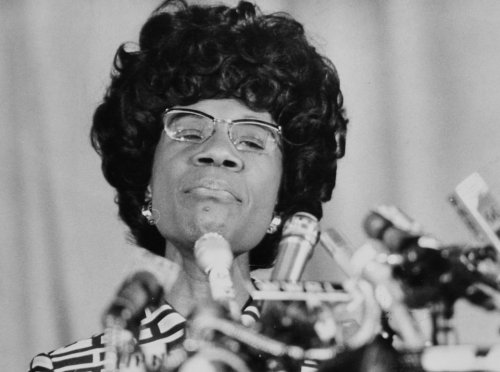
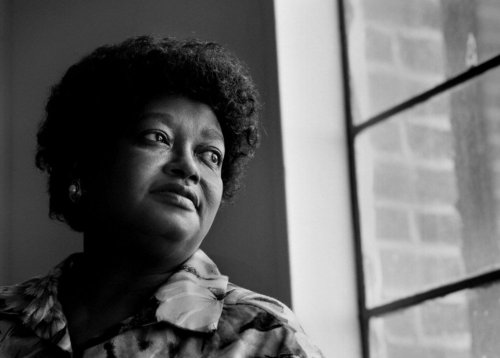
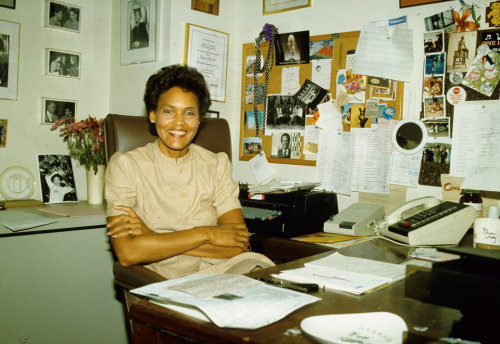
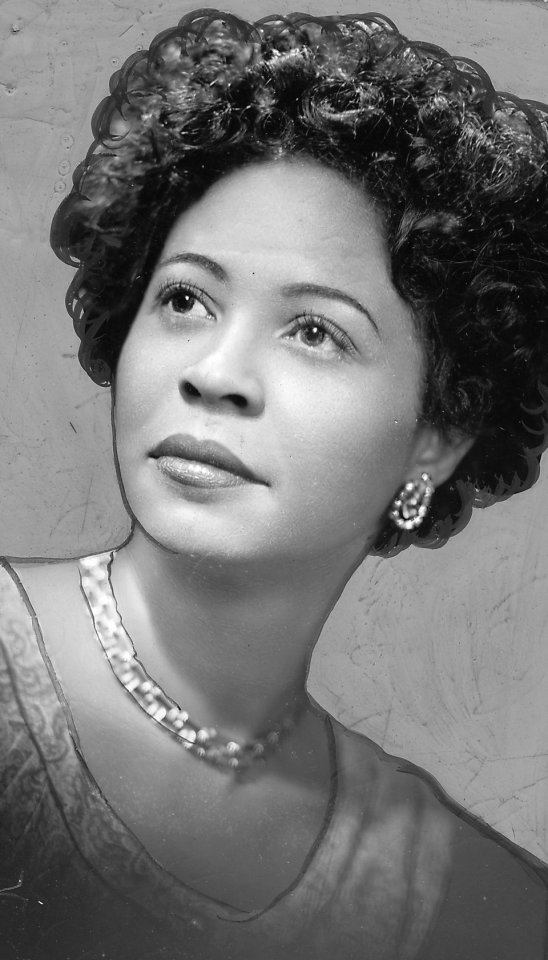
Chisolm broke major barriers when she became the first black congresswoman in 1968. She continued on her political track when she ran for president four years later, making her the first major party black candidate to run.
2. Claudette Colvin (1939-present)
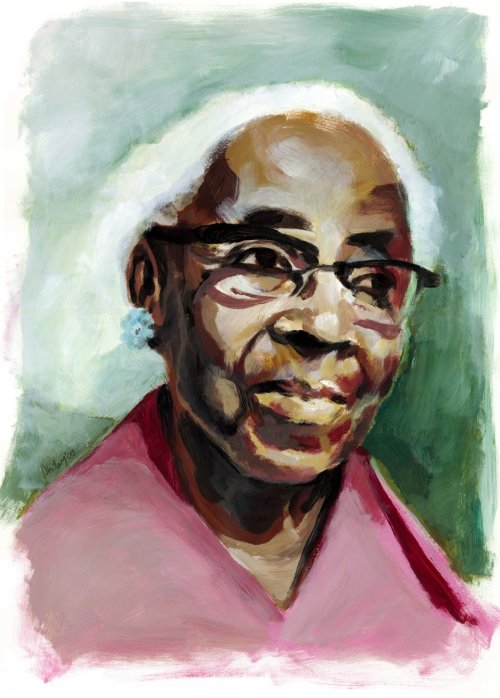
Several months before Rosa Parks’ refusal to give up her seat on a bus, Colvin was the first person arrested for resisting bus segregation in Montgomery, Alabama, at the age of 15. She also served as one of four plaintiffs in the case of Browder v. Gayle, which ruled that Montgomery’s segregated bus system was unconstitutional.
3. Septima Poinsette Clark (1898–1987)
Clark was an educator and civil rights activist who established citizenship schools that helped many African Americans register to vote. Regarded as a pioneer in grassroots citizenship education, she was active with the NAACP in getting more black teachers hired in the South.
4. Mary Church Terrell (1863–1954)
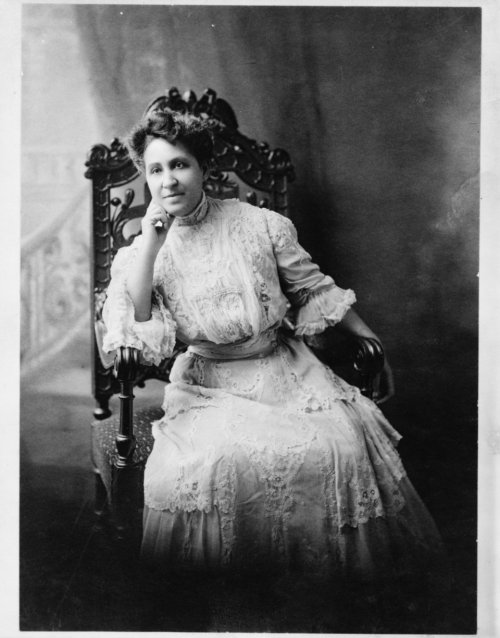
This women’s suffrage activist and journalist was the first president of the National Association of Colored Women and a charter member of the NAACP. She was also one of the first African-American women to be awarded a college degree.
5. Angela Davis (1944-present)
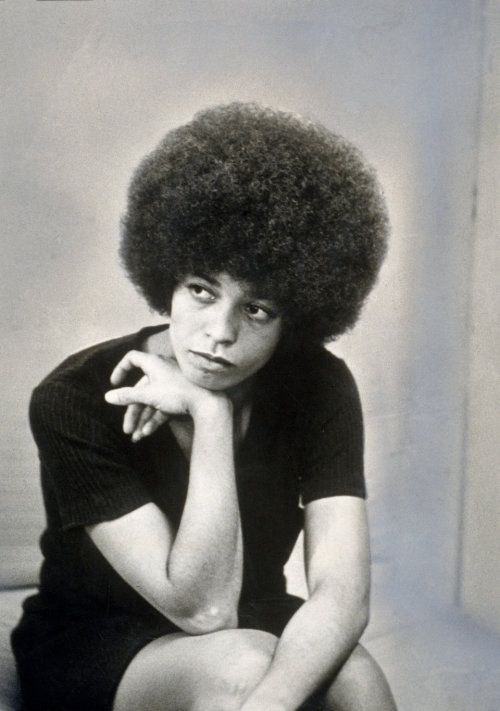
Davis is a revolutionary American educator. The former Black Panther has fought for race, class and gender equality over the years. Davis authored one of the of the most distinguished books in the field of women’s studies called Women, Race & Class. She’s also an advocate of prison reform.
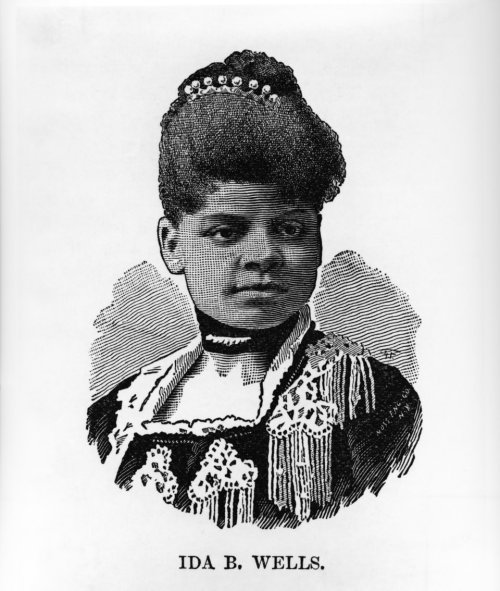
6. Ida B. Wells-Barnett (1862-1931)
Wells helped bring international attention to the horrors of lynching in the South with her investigative journalism. She was also elected as the Secretary of the Colored Press Association in 1889.
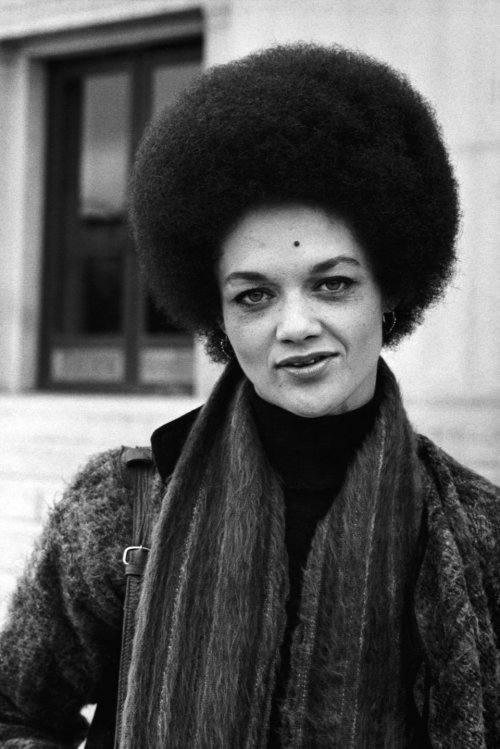
7.Kathleen Cleaver (1945-present)
Kathleen Cleaver is one of the central figures in Black Panther history. She was the first communications secretary for the organization and is currently a law professor at Emory University. She also helped found the Human Rights Research Fund.
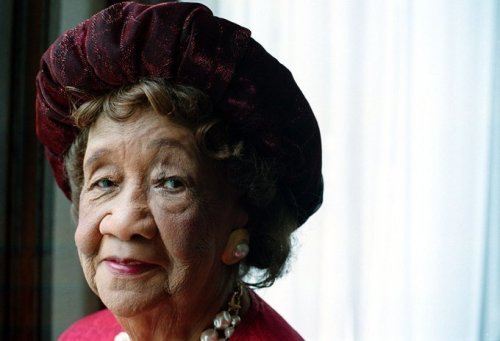
8. Dr. Dorothy Height (1912-2010)
Dr. Height was regarded by President Barack Obama as “the godmother of the Civil Rights Movement.” She served as the president of the National Council of Negro Women for over two decades and was instrumental in the integration of all YWCA centers in 1946.
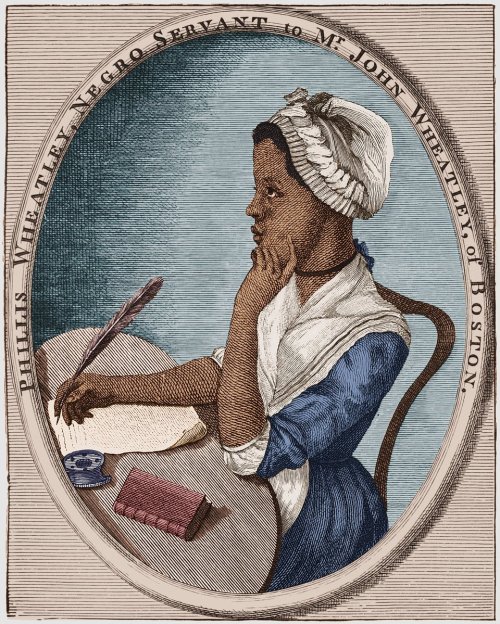
9. Phillis Wheatley (1753-1784)
Wheatley was a former slave who was kidnapped from West Africa and brought to America. She was bought by a Boston family and became their personal servant. With the aid of the family, she learned to read and eventually became one of the first women to publish a book of poetry in 1773.
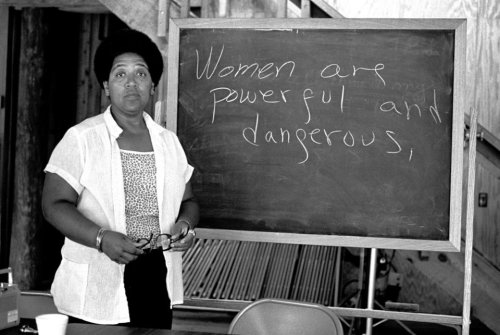
10. Audre Lorde (1934-1992)
This Caribbean-American writer and activist was a self-described “black, lesbian, mother, warrior and poet.” She empowered her readers with her moving poetry often tackling the injustices of racism, sexism and homophobia. She’s known for her poetry and memoirs such as, From a Land Where Other People Live, The Black Unicorn and A Burst of Light.
11. Flo Kennedy (1916-2000)
Kennedy was a founding member of the National Organization of Women and one of the first black female lawyers to graduate from Columbia Law School. She helped found the Feminist Party in 1971, which later nominated Representative Shirley Chisholm for president.
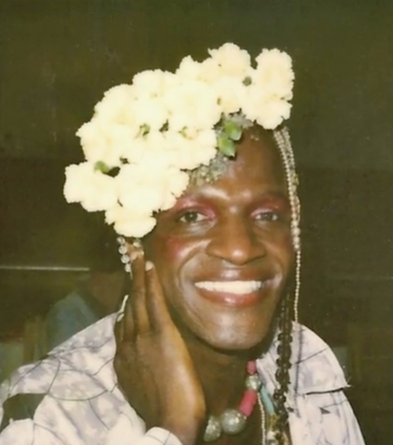
12. Marsha P. Johnson (1945-1992)
Johnson was an outspoken and fearless trans woman who played a vital part in the fight for civil rights for the LGBT community in New York. She was known as the patron at Stonewall Inn who initiated resistance on the night the police raided the bar.
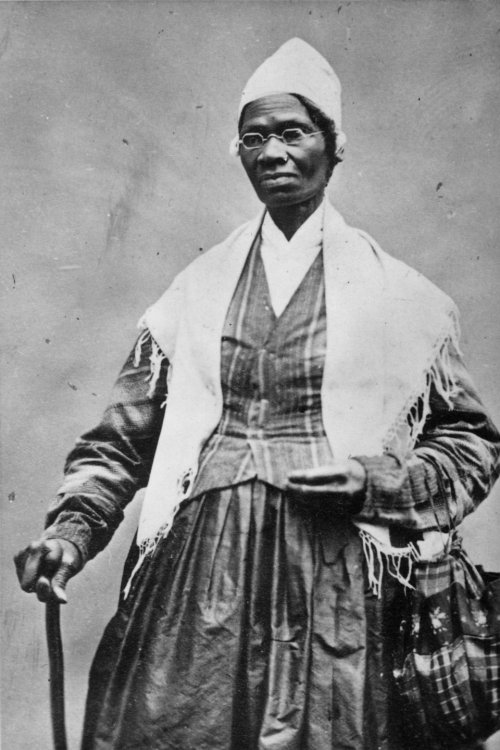
13. Sojourner Truth (1797-1883)
Born Isabella Baumfree, she escaped slavery with her infant daughter and changed her name to Sojourner Truth. She’s best known for her speech delivered at the Ohio Women’s Rights Convention in 1851 titled “Ain’t I A Woman?”
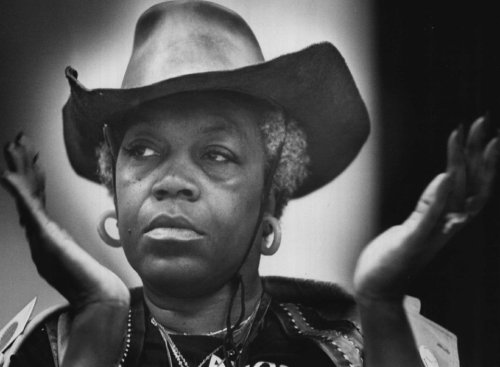
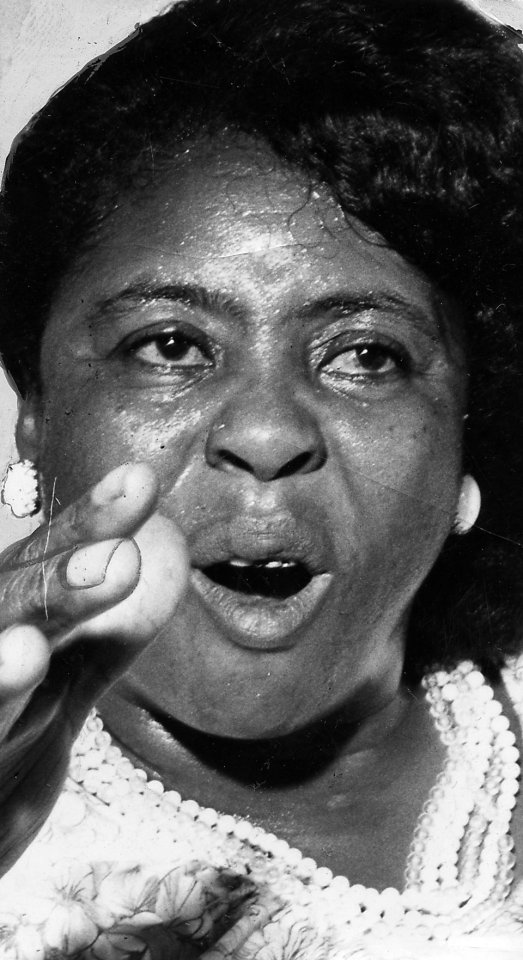
14. Fannie Lou Hamer (1917-1977)
Hamer was a civil rights activist and organizer of the Student Nonviolent Coordinating Committee Fannie Lou Hamer. She helped blacks register to vote and co-founded the Mississippi Freedom Democratic Party.
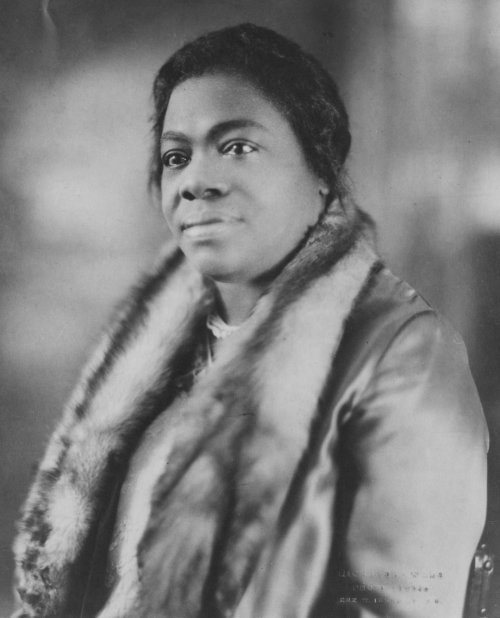
15. Dr. Mary McLeod Bethune (1875-1955)
Dr. Bethune was an educator and civil rights activist who believed education was the key to racial advancement. She served as the president of the National Association of Colored Women and founded the National Council of Negro Women. She was also the president and founder of Bethune-Cookman College in Florida.
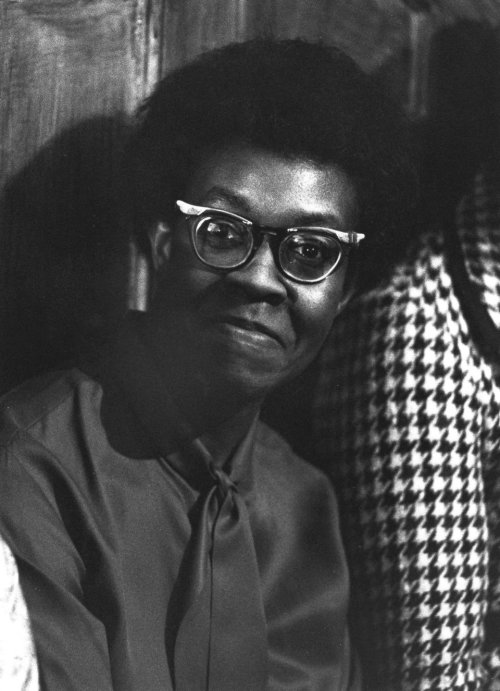
16. Gwendolyn Brooks (1917-2000)
This poet was the first African American to win a Pulitzer Prize for her 1949 book titled Annie Allen.
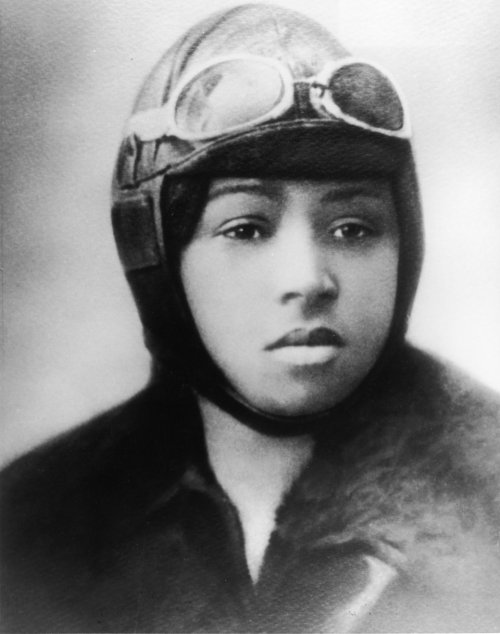
17. Bessie Coleman (1892-1926)
Coleman became the first black woman to earn a pilot’s license and the first black woman to stage a public flight in the United States. She specialized in stunt flying and parachuting and remains a pioneer for women in aviation.
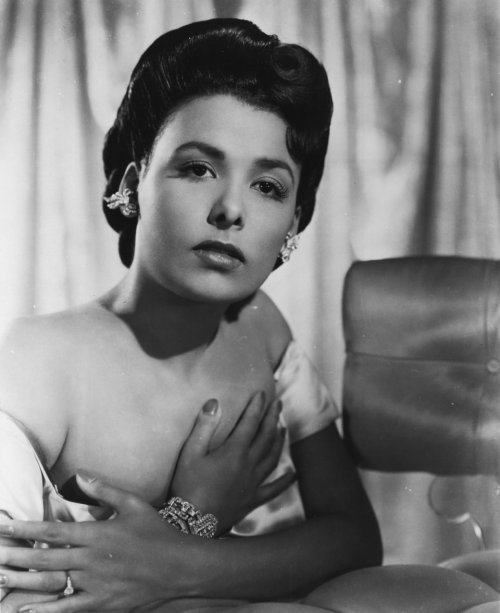
18. Lena Horne (1917-2010)
Horne was a popular actress and singer who was most known for her performances in the films “Stormy Weather” and “The Wiz.” She worked closely with civil rights groups and refused to play roles that stereotyped black women.
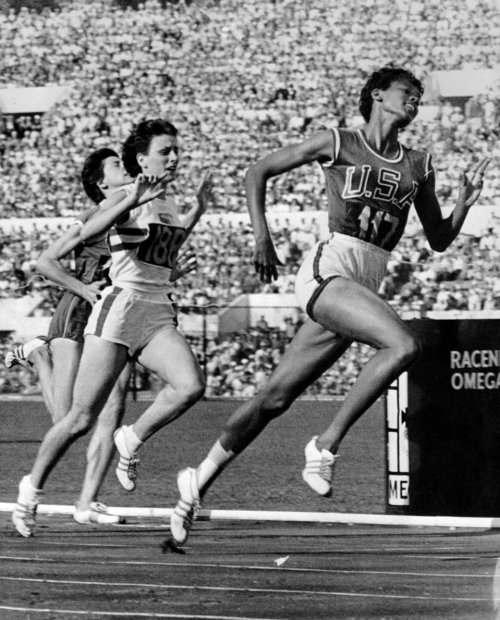
19. Wilma Rudolph (1940-1994)
Nicknamed “the black gazelle,” Rudolph was born premature and was stricken with polio as a child. Though her doctor said she would never be able to walk without her brace, she went on to become a track star. She became the first American woman to win three gold medals at a single Olympics in 1960.
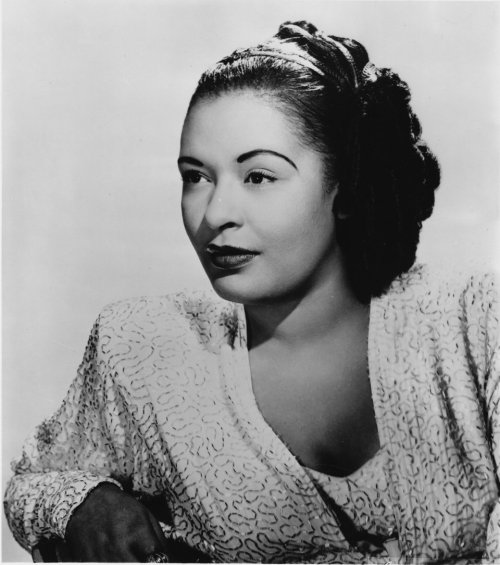
20. Billie Holiday (1915-1959)
Holiday was an extremely influential jazz vocalist who was known for her “distinctive phrasing and expressive, sometimes melancholy voice.” Two of her most famous songs are “God Bless the Child” and “Strange Fruit,” a heart-wrenching ballad about blacks being lynched in the South.
21. Diane Nash (1938-present)
Nash is a founding member of the Student Nonviolent Coordinating Committee. She was instrumental in organizing the Freedom Rides, which helped desegregate interstate buses in the South. She also planned the Selma Voting Rights Movement in response to the Birmingham 16th Street Church bombing that killed four young girls.
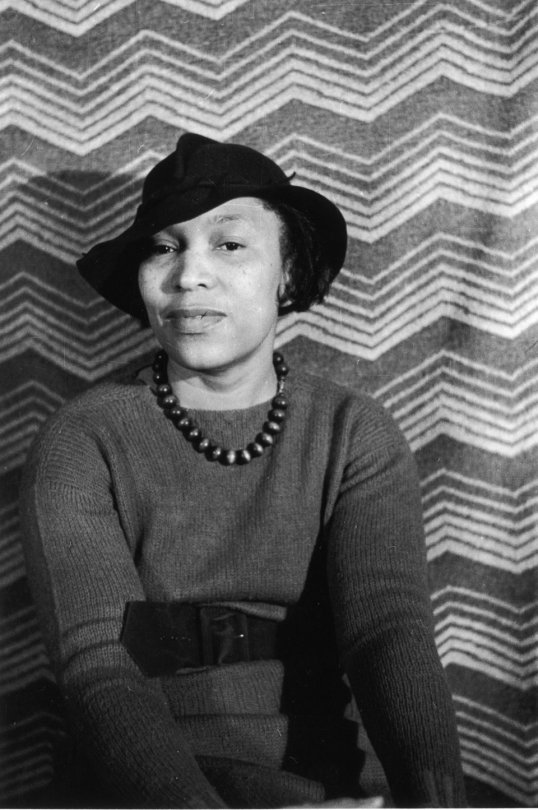
22. Zora Neale Hurston (1891-1960)
Hurston was an anthropologist and author of the Harlem Renaissance. Though she didn’t receive much recognition for her work while she was alive, her works of fiction, especially Their Eyes Were Watching God, became staples in American literature.
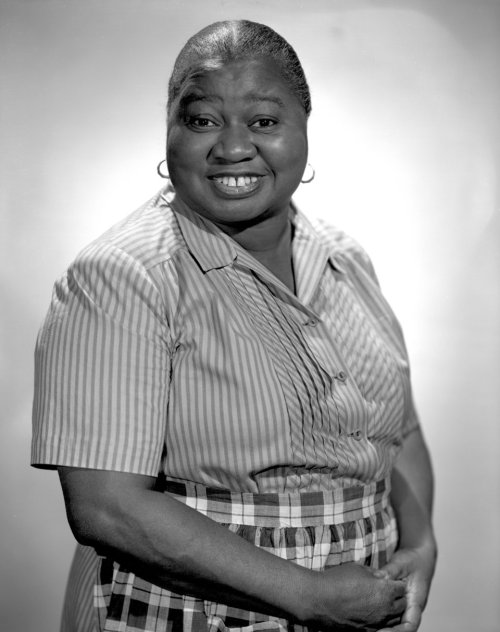
23. Hattie McDaniel (1893-1952)
As an actress, McDaniel appeared in more than 300 films and was the first African American to win an Oscar in 1940. She was also the star of the CBS Radio program, “The Beulah Show.”
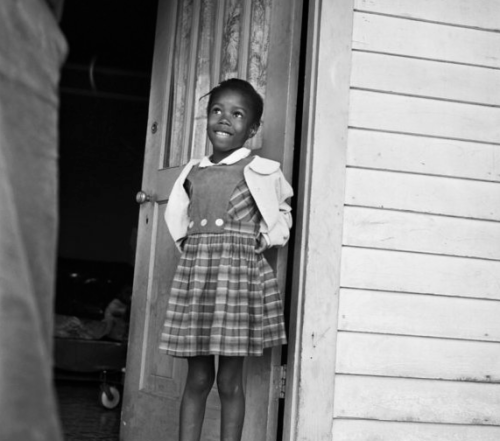
24. Ruby Bridges (1954-present)
Ruby Bridges was six years old when she became the first black child to integrate an all-white school in the South. She was escorted to class by her mother and U.S. marshals due to violent mobs outside of the Louisiana school.
25. Charlayne Hunter-Gault (1942-present)
Hunter-Gault was the first black woman to enroll at the University of Georgia. She became an award-winning journalist after she graduated and worked for outlets such as the New York Times, PBS and NPR.
26. Daisy Bates (1914-1999)
As a civil rights activist and journalist, Bates documented the fight to end segregation in Arkansas. Along with her husband, she ran a weekly black newspaper and became the president of the Arkansas chapter of the NAACP.
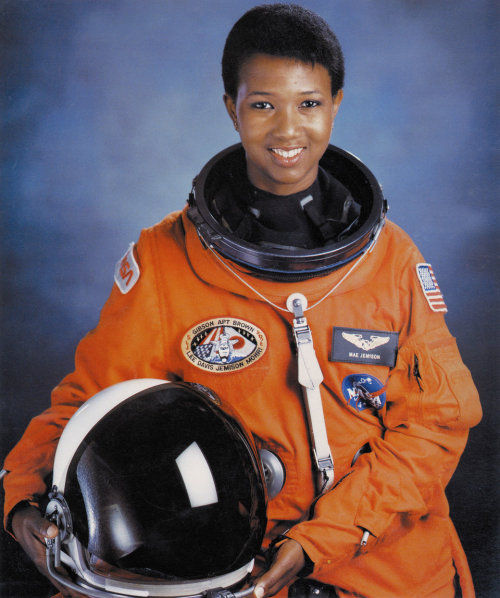
27. Dr. Mae Jemison (1956-present)
Dr. Jemison is the first black woman to be admitted into the astronaut training program and fly into space in 1987. Jemison also developed and participated in research projects on the Hepatitis B vaccine and rabies.
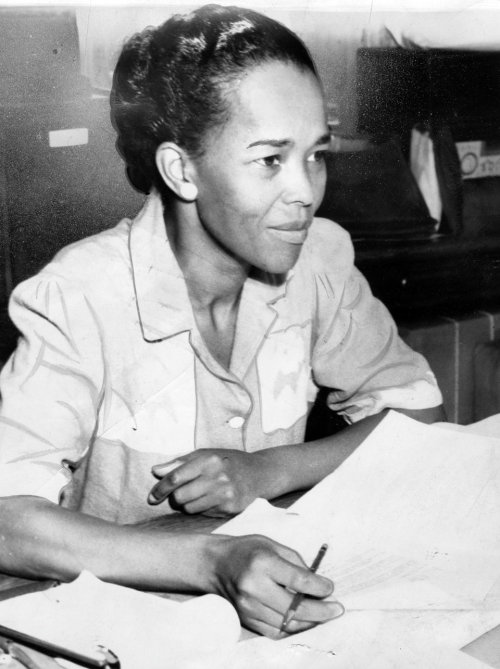
28. Ella Baker (1903-1986)
Baker was the national director for the NAACP. She also worked with the Southern Christian Leadership Conference and the Student Nonviolent Coordinating Committee. As one of the leading figures in the civil rights movement, Baker is known for her leadership style which helped develop others’ skills to become leaders in the fight for a better future.
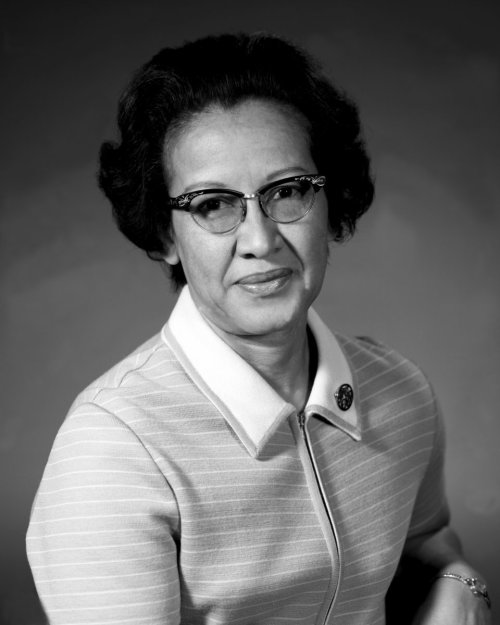
29. Katherine Johnson (1918-present)
Katherine Johnson overcame the prejudices thrown at her while working as a “human computer” at NASA to calculate the numbers that successfully launched the first Americans into space. Johnson’s work helped mark a turning point in the United State’s race to space with the Soviet Union. Johnson’s untold story has recently been popularized through the critically acclaimed film “Hidden Figures.”
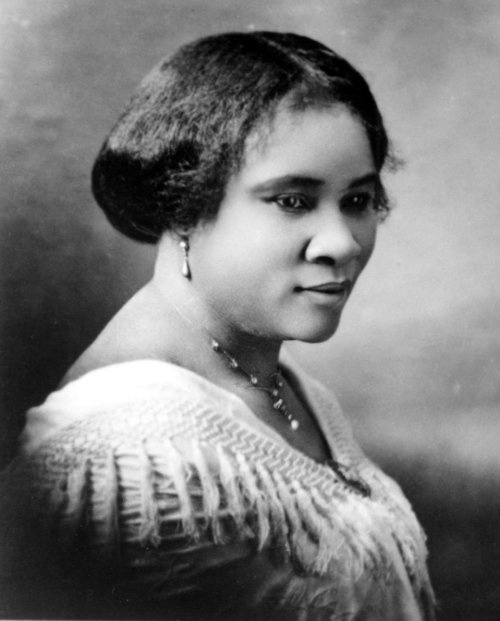
30. Madam C.J. Walker (1867-1919)
Madam C.J. Walker became one of the first female self-made millionaires in the world when she inventing a line of hair care products specially for African Americans in 1905. She traveled around the country to promote her products and give hair care demonstrations. She eventually founded Madame C.J. Walker Laboratories to manufacture cosmetics and train beauticians.
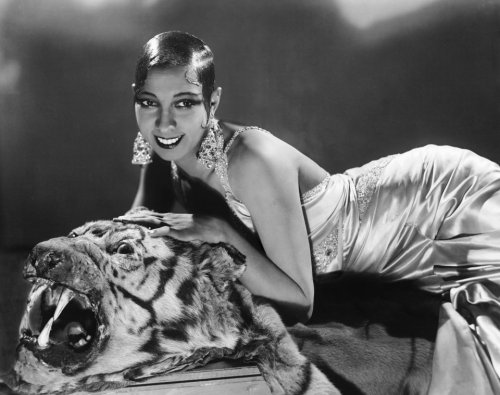
31. Josephine Baker (1906-1975)
After getting her start in New York, Josephine Baker found fame and fortune when she moved to France in the 1920s and became one of Europe’s most beloved performers, entrancing her audiences with her enticing dance moves and vocals. During World War II, she worked for the French Resistance, smuggling messages hidden in her sheet music and underwear. Baker frequently returned to the United States to join the Civil Rights Movement efforts. She was even a speaker at the 1963 March on Washington.
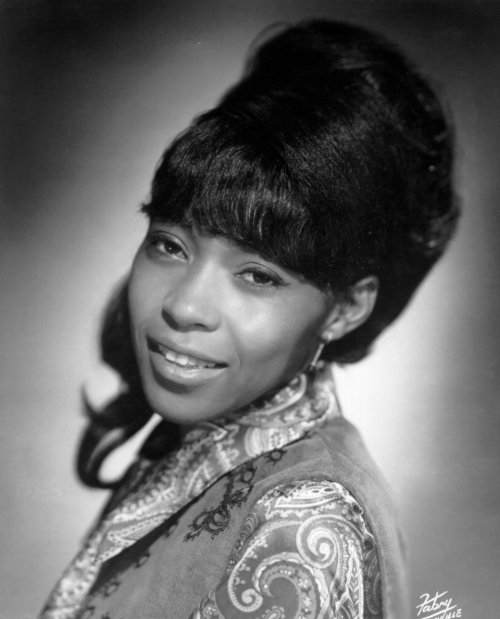
32. Linda Martell (1941-present)
Linda Martell was the first black woman to appear on the Grand Ole Opry. The country and blues singer went on to make 11 more appearances on the international radio program throughout her career and she landed a Top 25 song with her 1969 single “Color Him Father.”
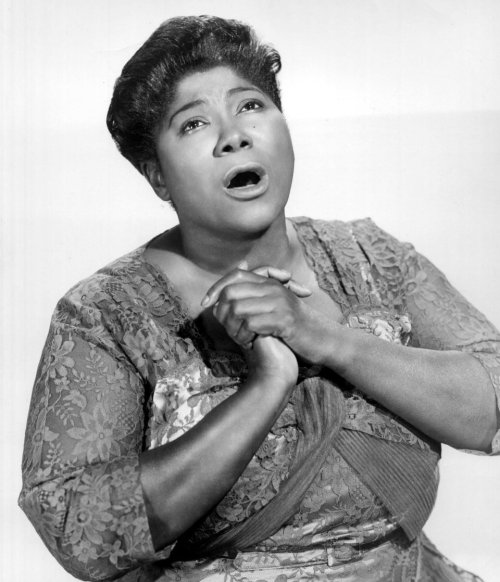
33. Mahalia Jackson (1911-1972)
Mahalia Jackson, the Queen of Gospel, is one known as one of the greatest musicians in American history. Jackson sang at the 1963 March on Washington right before Martin Luther King, Jr. gave his “I Have A Dream” speech. While giving his speech, Jackson interjected with “Tell them about the dream, Martin.” Jackson’s words led King to improvise the pivotal latter part of his speech.
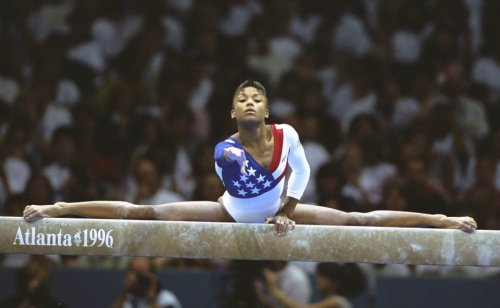
34. Dominique Dawes (1976-present)
Dominique Dawes became the first African American to win an individual Olympic medal in women’s gymnastics for her floor performance at the 1996 games in Atlanta. Dawes also won a gold medal with the U.S. women’s gymnastics team. She participated in the 1992, 1996 and 2000 Olympics before she retired.
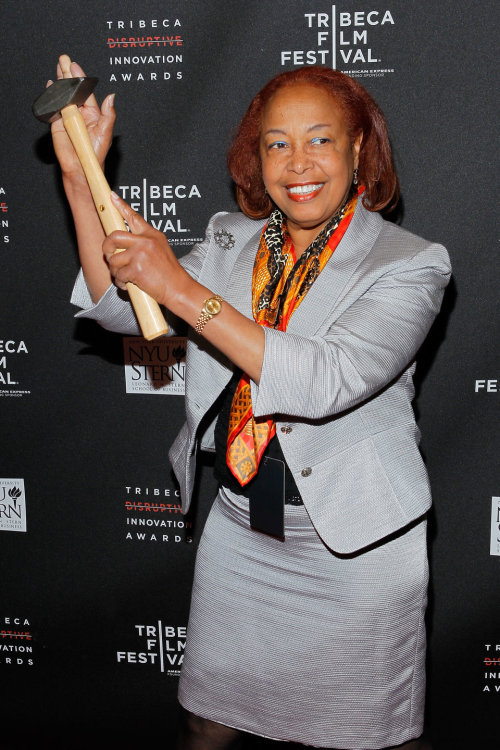
35. Dr. Patricia Bath (1942-present)
Patricia Bath, Ph.D., is the first black female doctor to receive a medical patent and the first African American woman to complete a residency in ophthalmology at NYU. In 1986, she created the Laserphaco Probe, a tool used to treat patients with cataracts with more precision and less pain. Bath was able to help restore the sight of people who had loss their eyesight for more than 30 years.
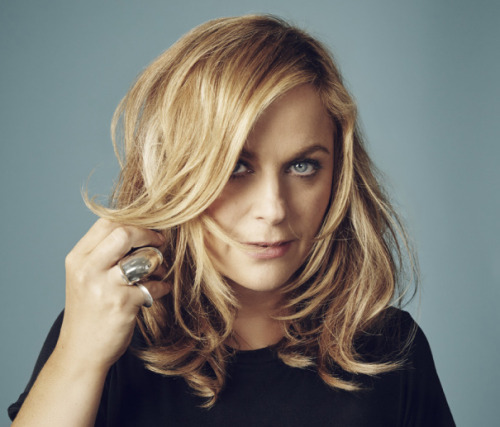
EXCLUSIVE: Amy Poehler has set her next directorial project for Netflix. It will be Moxie, a Tamara Chestna-scripted adaptation of the Jennifer Mathieu novel which Poehler’s Paper Kite acquir…
Excited doesn’t even begin to describe how we’re feeling right now!!
I want men to try and imagine going about your day–working, running, hiking, whatever–and not being allowed to wear pants under threats of violence or total social and economic exclusion.
That’s the kind of irrationally violent and controlling behaviour women have been up against.
Also for anyone who thinks it’s easy for women to be gender non conforming because we can wear pants.
The only reason we can is because we fought tooth and nail for the right to! Any rights we take for granted today we’re the result of a prolonged, bitter battle fought by our predecessors for every inch of territory gained. Never forget that.
Title IX (1972) declared that girls could not be required to wear skirts to school.
Women who were United States senators were not allowed to wear trousers on the Senate floor until 1993, after senators Barbara Mikulski and Carol Moseley Braun wore them in protest, which encouraged female staff members to do likewise.
This was never given to us. Women have had to fight just to be able to wear pants. Women who are still alive remember having to wear skirts to school, even in the dead of winter, when it was so cold that just having a layer of tights between them and the elements was downright dangerous. Women who remember not even being allowed to wear pants under their skirts, for no other reason than they were female.
So don’t talk about women wearing pants being gender nonconforming like it’s easy. It’s only less difficult now because your foremothers refused to comply.
My mother spent her entire school career up until high school having to wear skirts, no matter how horrible the New England winters got, because she was forbidden to do otherwise. There were times when the weather was bad where my grandmother kept her home rather than make her walk to and from the bus in a skirt.
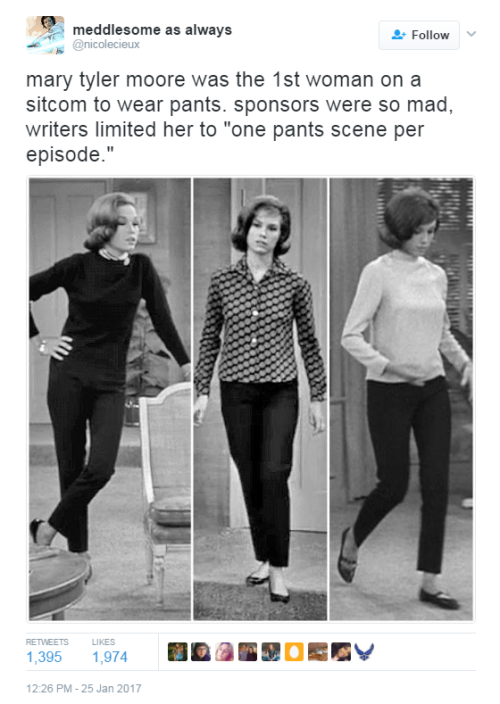
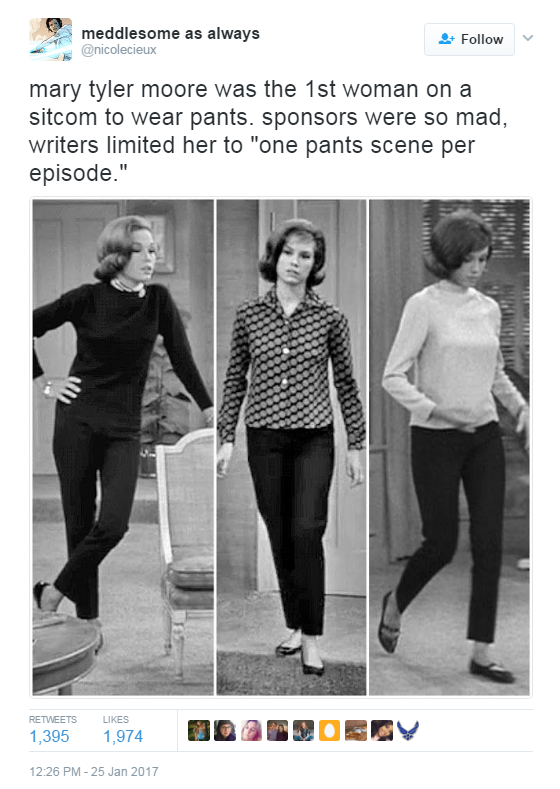
They rebroadcast a few old interviews with Mary Tyler Moore, and in them she addressed the pants issue. There was a strict limit on what kind of pants she could wear (hence, always Capri pants, nothing masculine), and to use her words, how much cupping the pants could show. A censor would look at every outfit when she came out on stage, and if the pants cupped her buttocks too much, defining them rather than hiding them, then she had to get another pair.
A prime example of how gender is socially enforced.
I remember a prolonged battle at primary school, with petitions and numerous near riotous PTA meetings before girls were allowed to wear trousers. In the late 1990s/early 2000s. In Scotland. A country which now (rightly, for the most part) prides itself on its progressiveness. Please don’t ever take these things for granted, and don’t assume that it’s only far flung places that you have nothing in common with that took so long to catch up. We’re all still fighting, little by little, for every apparently trivial victory that mounts up until we can reach the non-trivial ones. And we can’t afford to stop.
At my private Catholic high school, girls were only given the green light to wear pants the year before I began attending.
In 1992.
Yeah, 1991, forced to wear dresses in school. Got detention once because after school was over while waiting for my ride outside I took off the dress that was over my button down shirt and normal-kids-shorts-length shorts because it was Louisiana degrees outside and I was 7.
Teachers were forced to wear skirts for years. And heels. My mother’s feet are still high heel shaped when she takes off her shoes. She had to wear a skirt till I was well into junior high.
FEMALE US SENATORS WERE NOT ALLOWED TO WEAR PANTS UNTIL 1993 HOLY SHIT
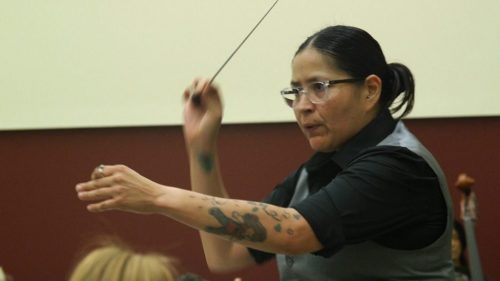
Among more than 20 of the major U.S. symphony orchestras, only one woman has the top job of principal conductor. But women are making better gains in the nation's smaller ensembles.
“Among more than 20 of the major U.S. symphony orchestras, only one woman has the top job of principal conductor. But women are making better gains in the nation’s smaller ensembles. Jessica Bejarano is leading the San Francisco Civic Symphony, as well as the path for other women like her trying to reconfigure gender roles.
NewsHour Weekend Special Correspondent Joanne Elgart Jennings reports. This is part of an ongoing series of reports called “Chasing the Dream,” which reports on poverty and opportunity in America, and is supported in part by the Pulitzer Center on Crisis Reporting.”
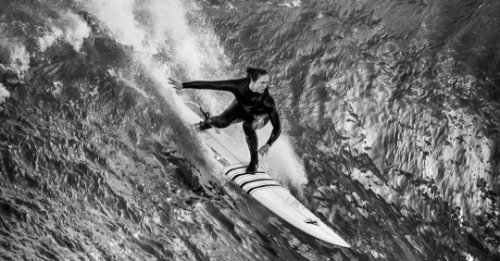
“Big-wave surfing originated in Hawaii in the 1940s, and by the late 1950s, it was synonymous with a break called Waimea Bay, on Oahu’s North Shore, and also with courageous masculinity. There were exceptions. A 15-year-old girl named Linda Benson rode a wave with an estimated 20-foot face at Waimea in 1959, and Margo Oberg, widely recognized as the first female professional surfer, also rode big surf at nearby Sunset Beach in the 1970s.
Still, the sport was dominated by outsize male personalities like Buzzy Trent, author of an infamous article titled “Big Waves Are Masculine, Women Feminine,” in the November 1963 issue of Surf Guide magazine. “There’s nothing more beautiful than a well-shaped girl riding a six-foot wave with the wind blowing through her hair,” Trent wrote, “but one thing I can’t stand is girls riding (or attempting to ride) big waves.”